The Ultimate Guide to Attic Insulation: Why Logan, Utah Homeowners Should Upgrade Now
Living in the Cache Valley offers a unique blend of breathtaking mountain vistas and a tight-knit community feel. However, anyone who has spent a full year in Logan, Utah knows that our climate is one of extremes. From the bone-chilling winter inversions that trap freezing air in the valley to the dry, scorching heat of July, our homes take a beating.
If you live in a classic bungalow in the Island neighborhood or a mid-century rambler in Hillcrest, you might feel like you’re constantly fighting a losing battle with your thermostat. The culprit is often hidden right above your head. Upgrading your attic insulation is arguably the most cost-effective way to transform your home’s comfort and slash your utility bills.
Understanding the Logan Climate Challenge
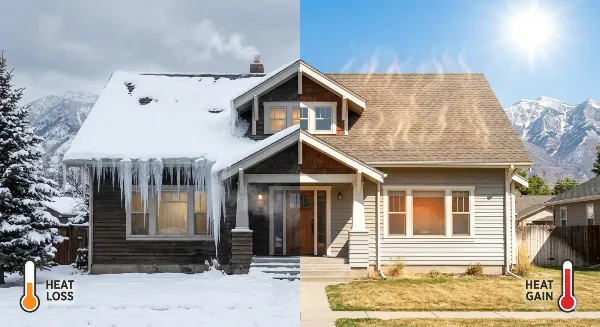
Logan is famous for its "Blue-Stakes" winters and high-altitude sun. In the winter, heat naturally rises. If your attic isn't properly sealed and insulated, that expensive warmth you’ve paid for via your furnace escapes right through the roof. In the summer, the sun beats down on your shingles, turning your attic into an oven that radiates heat downward into your living space.
For residents in North Logan or the newer developments in Nibley, modern building codes have helped, but for those in the historic Ellis or Bridger districts, older insulation levels (often just R-11 or R-19) simply aren't enough to meet today’s efficiency standards.
The Science of Savings: R-Value and Energy Efficiency
When discussing insulation, the most important term to know is R-Value. This measures the material's resistance to heat flow. The higher the R-value, the better the insulating power.
In Northern Utah, the Department of Energy and local programs like ThermWise typically recommend a final attic insulation level between R-49 and R-60. Most older homes in Logan currently sit at an R-19 or lower. By bridging that gap, you can see a massive reduction in energy consumption—sometimes as much as 20% to 30% on your monthly gas and electric bills.
Why Now? 2026 Incentives and Rebates
The timing for an upgrade has never been better. For 2026, Enbridge Gas (ThermWise) offers significant weatherization rebates for Logan residents.
Tier 1 Rebate: Adding a minimum of R-19 can qualify you for roughly $0.32 per square foot.
Federal Tax Credits: Under the Energy Efficient Home Improvement Credit (25C), homeowners can claim up to $1,200 annually for weatherization upgrades like insulation and air sealing.
Popular Insulation Types for Cache Valley Homes
Choosing the right material depends on your budget, the age of your home, and your specific goals.
1. Blown-In Cellulose
Commonly used in retrofitting older homes in the Adams neighborhood, cellulose is made from recycled paper treated with fire retardants. It is excellent at filling the nooks and crannies of irregular attic joists. It also provides superior sound-dampening qualities—perfect if you live near the busier corridors of Main Street.
2. Blown-In Fiberglass
Unlike the itchy "batts" of the past, modern blown-in fiberglass is a loose-fill material that offers high thermal resistance. It doesn't settle as much as cellulose over time and is naturally resistant to moisture and pests.
3. Spray Foam Insulation
While more expensive upfront, spray foam provides a two-in-one benefit: it insulates and acts as an air seal. For homeowners near Utah State University dealing with drafty historic rentals, spray foam can be a game-changer by stopping air leaks entirely.
Beyond Comfort: The Hidden Benefits
While saving money is the primary motivator, upgrading your insulation solves several "hidden" problems specific to Logan living.
Preventing Ice Dams: Have you noticed giant icicles hanging from your gutters in River Heights or Providence? Those are often caused by heat escaping into the attic, melting the snow on your roof, which then refreezes at the eaves. Proper insulation keeps the roof cool, preventing these "ice dams" from damaging your shingles and causing leaks.
HVAC Longevity: When your home holds its temperature, your furnace and AC don't have to cycle on and off constantly. This reduces wear and tear, extending the life of your expensive equipment.
Indoor Air Quality: Old insulation can harbor dust, allergens, and even evidence of past pests. Replacing or topping off insulation—especially when paired with professional air sealing—keeps valley pollutants and allergens out of your living space.
The Upgrade Process: What to Expect
A professional insulation upgrade in Logan typically follows a structured path:
Assessment & Audit: A technician will measure your current R-value and look for signs of moisture or "bypass" leaks (places where wires or pipes enter the attic).
Air Sealing: Before adding new material, it’s vital to seal gaps with expanding foam or caulk. Adding insulation without air sealing is like wearing a heavy wool sweater over a mesh shirt on a windy day at First Dam—the air will still blow right through.
Baffle Installation: To ensure your attic stays ventilated and prevents mold, "baffles" are installed at the soffits to keep the airflow path clear.
Blowing the Material: Using a specialized machine, the new insulation is distributed evenly across the attic floor until the target R-value (usually 15–20 inches deep) is reached.
Local Impact: Community and Environment
By upgrading your home in Logan, you aren't just helping your wallet; you're contributing to the health of the Cache Valley. During our winter inversions, reducing the amount of natural gas burned for home heating directly improves the air quality we all breathe.
Whether you’re in a quiet cul-de-sac in Hyde Park or a bustling street near the Logan Tabernacle, your home is an investment. High-quality insulation is one of the few home improvements that offers a near 100% return on investment (ROI) by increasing property value and providing immediate cash-flow savings.
Next Steps for Homeowners
If your home feels drafty this winter or like a sauna in the summer, it's time to peek into your crawlspace or attic.
