Stop the Deep Freeze: Is Your Ogden Valley Home’s "Winter Coat" Thick Enough?
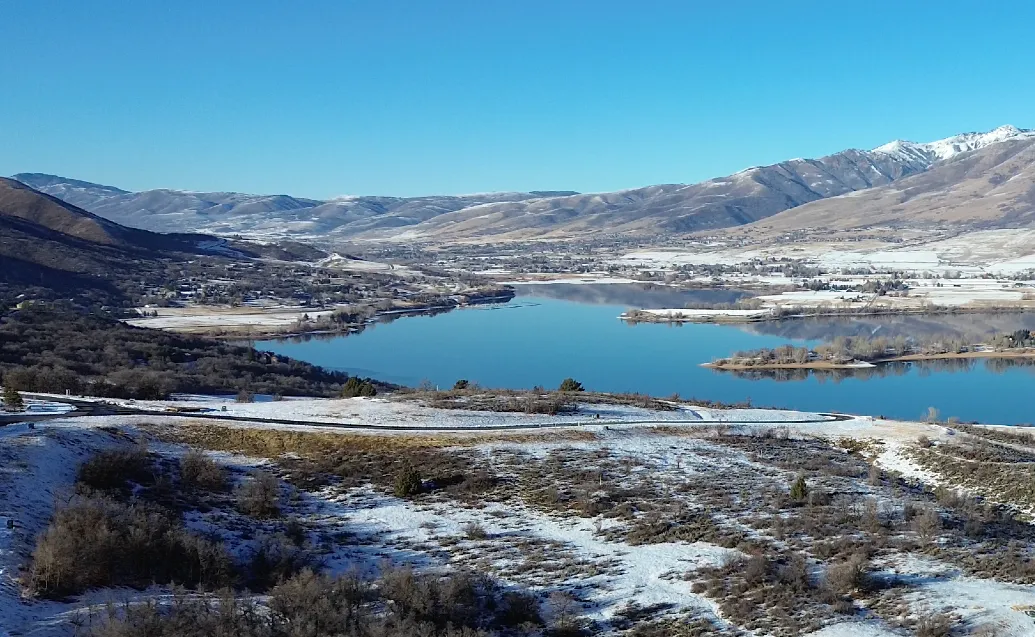
Living in the Ogden Valley is a privilege that comes with a unique set of meteorological demands. Whether you’re tucked away in the quiet stretches of Liberty, enjoying the lakeside views in Huntsville, or nestled near the ski runs in Eden, you know that "Valley weather" is a different beast entirely. We don’t just get winter; we get a deep, crystalline freeze that settles over Pineview Reservoir and stays until the spring thaw.
Because of our elevation and the way cold air sinks into the basin, our homes face some of the most rigorous thermal challenges in the state. One of the most common questions we hear from neighbors—from those in the newer developments of The Highlands to the historic farmhouses near the Ogden Valley branch library—is a simple one: "How do I know if I actually have enough insulation?"
If you’re wondering whether your home is ready for the next "Pineview wind" or a record-breaking snowfall, here is how to tell if your home’s thermal envelope is up to the task.
1. The "Rule of Thumb" Attic Inspection
The easiest place to start is the attic. In the Ogden Valley, our homes are classified in Climate Zone 6, which means the Department of Energy recommends a much higher R-value (a measure of thermal resistance) than what you might find in warmer parts of the country—or even down the canyon in Ogden proper.
Grab a flashlight and a tape measure. When you look across your attic, do you see the wooden floor joists?
If the insulation is level with or below the joists: You definitely don’t have enough. You are likely sitting at around R-19 or R-30, which is insufficient for our sub-zero nights.
If you can’t see the joists at all: You’re on the right track. However, for a home in Huntsville or Liberty, you want to see about 16 to 20 inches of blown-in insulation (usually gray cellulose or pink/white fiberglass) to reach the recommended R-49 to R-60 standard.
2. The Tale of the "Upstairs/Downstairs" Split
Do you find yourself wearing a parka in the kitchen while the upstairs bedrooms feel like a sauna? Or perhaps the reverse—the second floor is drafty and impossible to keep warm?
In many Ogden Valley homes, especially those with vaulted ceilings or "bonus rooms" over the garage, inconsistent temperatures are a primary sign of poor insulation. When heat escapes through the attic, it creates a "stack effect," pulling cold air in through the lower levels (like your basement or crawl space) to replace the rising warm air. If your HVAC system is running constantly but your home still feels "uneven," your insulation is likely the culprit, not your furnace.
3. The Ice Dam Warning Sign
We all admire the winter wonderland aesthetic of Snowbasin and Powder Mountain, but if your own roof looks like a scene from Frozen, you have a problem. Ice dams—those thick ridges of ice that form along your gutters—are not just a "roofing issue." They are almost always an insulation and ventilation issue.
When heat leaks from your living space into the attic, it warms the roof deck, melting the bottom layer of snow. That water runs down to the cold eaves and refreezes, creating a dam that can back up under your shingles and cause major water damage. If you see massive icicles or "snow-free" patches on your roof while your neighbors’ roofs are still covered in white, your home is literally melting its own protection.
4. The "Touch Test" for Exterior Walls
Your attic isn't the only place where heat escapes. During a particularly cold Valley night, walk over to an exterior wall and place your hand on it. Then, touch an interior wall (like the one between your hallway and a bedroom).
The exterior wall should feel relatively close in temperature to the interior one. If the exterior wall feels icy or damp to the touch, it’s a sign that the wall insulation has either settled over time or was never properly installed. In older homes near Huntsville Town or the original Eden town center, it wasn't uncommon for walls to be under-insulated or even empty.
5. Drafts and "Ghostly" Air Movements
If you’re sitting in your living room in Liberty and feel a phantom breeze even though the windows are shut tight, you are likely experiencing air leakage.
Insulation works best when paired with proper air sealing. Many people don't realize that air can "bypass" insulation through light fixtures, plumbing stacks, and electrical outlets. A quick DIY check: carefully remove an outlet cover on an exterior wall. If you feel a cold draft coming through the junction box, you’re losing energy. Modern energy efficiency standards suggest sealing these gaps with foam or caulk before adding new fiberglass batts or spray foam.
Understanding R-Value in the Valley
In the Ogden Valley, "good enough" isn't quite good enough. Because our winters are longer and our summers (while beautiful) can still get quite hot, a high R-value is your best defense against rising utility costs.
Attics: Aim for R-49 to R-60.
Walls: Aim for R-13 to R-21 (depending on stud depth).
Crawl Spaces/Floors: Aim for R-30.
Investing in upgraded insulation isn't just about comfort; it's about home value. In a market like ours, where buyers are savvy about the costs of mountain living, a well-insulated home is a major selling point.
Local Incentives and Rebates
The good news for Valley residents is that you don’t have to shoulder the cost alone. Both Rocky Mountain Power (through the Wattsmart program) and Dominion Energy (via ThermWise) offer significant insulation rebates for homeowners who upgrade their existing levels. In some cases, these rebates can cover a substantial portion of the material costs.
Additionally, the federal government offers tax credits for energy-efficient home improvements, allowing you to claim a percentage of your insulation project on your next tax return.
Next Steps: The Professional Energy Audit
If you’ve done the tape measure test and felt the cold walls, but you’re still not sure where to start, consider a professional energy audit. Using thermal imaging cameras, a technician can see exactly where heat is escaping—whether it’s a missed "knee wall" in a Cape Cod-style home or a lack of rim joist insulation in your basement.
Living in the Ogden Valley means being prepared. Just as you wouldn't head up the canyon without the right tires, you shouldn't head into another Utah winter without ensuring your home’s "winter coat" is thick enough.
Check your attic, watch your roof, and take advantage of local rebates. Your wallet—and your toes—will thank you when the January inversion rolls in.
