Keeping Ogden, Utah Cozy: A Homeowner’s Guide to Comparing Insulation Types
Living in Ogden, Utah, is a study in beautiful extremes. We enjoy world-class skiing in the winter and blistering, high-desert heat in the summer. But for homeowners, these extremes often translate into a constant battle for indoor comfort and the anxiety of fluctuating utility bills. When the winter winds howl down from the canyons, or the July sun beats down on your roof, your home’s insulation is the only thing standing between you and the elements.
If you are reading this, you are likely experiencing the common signs of an under-insulated home: cold drafts near outlets, upstairs bedrooms that feel like saunas in summer, ice dams forming on your eaves, or a furnace that seems to run non-stop just to maintain 68 degrees. We understand the frustration. Home improvement projects can feel overwhelming, and insulation—hidden behind walls and in dark attics—is particularly confusing.
However, upgrading your insulation is perhaps the single most impactful investment you can make for your home’s energy efficiency in Utah. It isn’t just about being warm; it’s about stabilizing your living environment and keeping more of your hard-earned money. This guide will cut through the jargon to compare the most common types of insulation used in Ogden today, helping you make an informed decision for your specific needs.
The Basics: Understanding R-Value in Northern Utah
Before diving into materials, it is crucial to understand "R-Value." Simply put, R-Value measures how well a material resists the flow of heat. The higher the R-Value, the better the insulating power.
Because Ogden is located in a climate zone with distinct heating and cooling seasons, the recommended R-Values are significant. For an attic insulation upgrade in our area, the Department of Energy generally recommends aiming for R-49 to R-60. Walls and crawl spaces require lower, but still substantial, R-Values. Achieving these numbers is vital to lower heating bills in winter and reduce air conditioning loads in summer.
Comparing the Contenders: The Four Main Types
Not all insulation is created equal, and the best choice often depends on your home’s age, architecture, and your budget. Here is how the primary options stack up for the Ogden market.
1. Fiberglass Insulation (Batts, Rolls, and Blown-In)
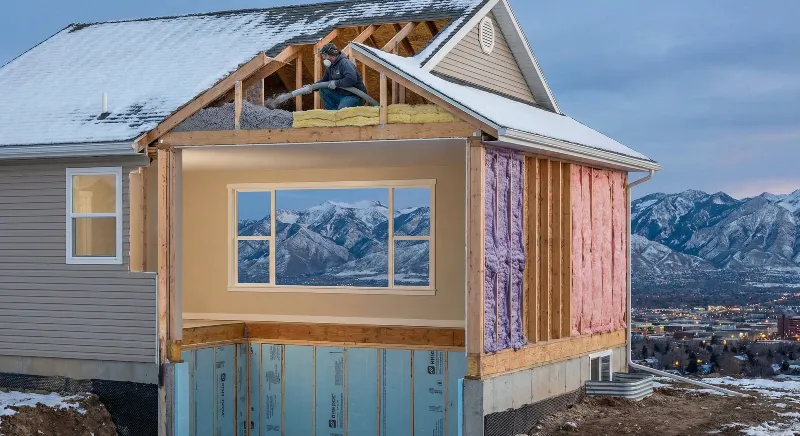
Fiberglass is what most people picture when they think of insulation: the fluffy pink or yellow material that resembles cotton candy. It is made from extremely fine glass fibers and is the most traditional form of residential insulation.
How it Works: The glass fibers trap pockets of air, which slows down heat transfer.
Forms:
Batts and Rolls: Pre-cut blankets designed to fit snugly between standard wall studs and floor joists.
Loose-Fill (Blown-In): A machine blows chunks of fiberglass into attics or wall cavities, allowing it to settle over joists and into irregular spaces.
The Ogden Perspective: Fiberglass is a very common choice for new construction in rapidly growing areas like Shadow Valley or further north towards Pleasant View. It is widely available at local hardware stores, making batts a popular choice for DIY-savvy homeowners looking to insulate a basement or garage.
Pros: It is relatively affordable, widely available, and fire-resistant. Blown-in fiberglass is excellent for topping off existing attic insulation to reach that target R-60.
Cons: Installation of batts must be perfect; gaps or compression significantly lower its effectiveness. Furthermore, standard fiberglass does very little to stop air leakage. In a windy Ogden winter, cold air can cut right through standard fiberglass batts if the home isn't properly air-sealed first.
Best For: Budget-conscious projects, DIY additions, and topping off accessible attics.
2. Cellulose Insulation (Blown-In)
If you are looking for a greener, denser alternative to blown-in fiberglass, cellulose is a powerhouse contender. It is primarily made from recycled newspaper that has been treated with fire retardants (usually borates, which also deter insects).
How it Works: Like fiberglass, it traps air. However, because it is denser and heavier, it does a better job of blocking airflow than loose fiberglass.
The Ogden Perspective: Cellulose is incredibly popular for retrofitting older homes. If you own a charming Victorian near historic 25th Street or a bungalow in the older East Central neighborhoods, your walls might have little to no insulation. A professional contractor can drill small holes in the exterior and "dense-pack" cellulose into the wall cavities without tearing down plaster or drywall.
Pros: It has excellent eco-credentials due to high recycled content. Its density helps deaden outside noise—a bonus if you live near busy Washington Boulevard. It offers better resistance to airflow than fiberglass batts.
Cons: It is heavy; you must ensure your ceiling drywall can support the weight if blowing a deep layer into an attic. It is also dusty during installation and absorbs moisture easily, so it is generally not suitable for damp basements or crawl spaces.
Best For: Attics (especially over existing insulation), retrofitting walls in older homes, and homeowners prioritizing recycled materials.
3. Spray Foam Insulation (Open-Cell and Closed-Cell)
Spray foam is often considered the gold standard of modern insulation, though it comes at a premium price point. It is a two-part chemical product that is sprayed onto surfaces, expanding rapidly to fill every nook and cranny before hardening.
How it Works: It provides high R-value, but its true superpower is air sealing. Spray foam creates a near-perfect barrier that stops heat transfer and air leakage in one step.
There are two types:
Open-Cell Foam: Lighter, spongy, and less expensive. It is a great insulator and sound dampener but allows moisture vapor to pass through.
Closed-Cell Foam: Dense, rigid, and waterproof. It has an incredibly high R-Value per inch and adds structural strength to the surfaces it adheres to.
The Ogden Perspective: For homes on the East Bench that face the brunt of canyon winds, spray foam can be transformative. It is ideal for difficult areas like cathedral ceilings, rim joists in the basement (where the house frame sits on the foundation), and cantilevered floors. While expensive, it often solves comfort issues that other materials can't touch.
Pros: Unparalleled air sealing and R-value. It creates a "conditioned attic" space if sprayed on the underside of the roof deck, which is great for HVAC equipment located in the attic. It eliminates drafts effectively.
Cons: It is significantly more expensive than fiberglass or cellulose. It requires professional installation by experienced insulation contractors near me wearing specialized safety gear. If installed incorrectly, it can lead to off-gassing odors or moisture problems.
Best For: New construction budgets that prioritize maximum efficiency, sealing drafty rim joists, vaulted ceilings, and homeowners who want a "one-and-done" high-performance solution.
4. Rigid Foam Board Insulation
These are stiff panels of insulation made from various types of plastic foam (like polystyrene or polyisocyanurate).
How it Works: They provide a high, consistent R-value in a thin profile and resist water.
The Ogden Perspective: You won't usually see this used for a whole attic, but it is essential for specific Ogden applications. It is the best choice for insulating basement walls against the cold concrete foundation. It's also frequently used on the exterior of homes under new siding during major renovations in older neighborhoods.
Pros: Excellent R-value per inch. Highly resistant to moisture, making it ideal for below-grade applications.
Cons: Must be cut to fit exactly, and joints must be taped or sealed with canned foam to be effective. It is more expensive than blanket insulation.
Best For: Basement walls, exterior sheathing, and insulating slab edges.
Making the Right Choice for Your Ogden Home
Deciding between these options often comes down to balancing budget against performance goals.
If your home on the benches was built in the 1970s and still has the original 6 inches of matted-down fiberglass in the attic, simply blowing in roughly 15 inches of new cellulose over the top is a highly cost-effective upgrade that will pay for itself quickly in energy savings.
However, if you are building a custom dream home near the mouth of Ogden Canyon and want to ensure you never feel a draft despite the howling wind, investing in a full spray foam envelope might be the right choice for long-term comfort.
A Note on Air Sealing: Before adding any insulation, especially in an attic, address air leaks first. In insulation circles, the mantra is "Seal tight, ventilate right." Penetrations for plumbing pipes, electrical wires, and recessed light fixtures act like chimneys, sucking warm air out of your house into the attic. Hiring professional insulation contractors in Ogden who include air sealing as part of their service package is vital. Adding fluffy insulation over big air leaks is like wearing a down jacket with the zipper open.
Conclusion: An Investment in Comfort
We know that spending money on something you can't see isn't as exciting as a kitchen remodel. But few home improvements affect your daily quality of life as much as insulation. It’s the difference between needing a sweater indoors in January and walking around comfortably in a t-shirt.
If you are tired of high utility bills and inconsistent temperatures, start searching for "free attic inspection near me" or "insulation quote Ogden Utah." A qualified professional can assess your current situation, identify the weak points in your home’s thermal envelope, and recommend the right mix of materials to keep your Ogden home cozy, no matter what the weather decides to do.
